
The Nazi Internal War
The Man in the High CastleThe SD, the Abwehr, and the factions around Goebbels and Heydrich fight each other even while the Reich menaces the world, shaping who lives and who dies.
increasing Bearing strength in each event
 decreasing
Bearing strength in each eventdecreasingRivalry in the Consulate
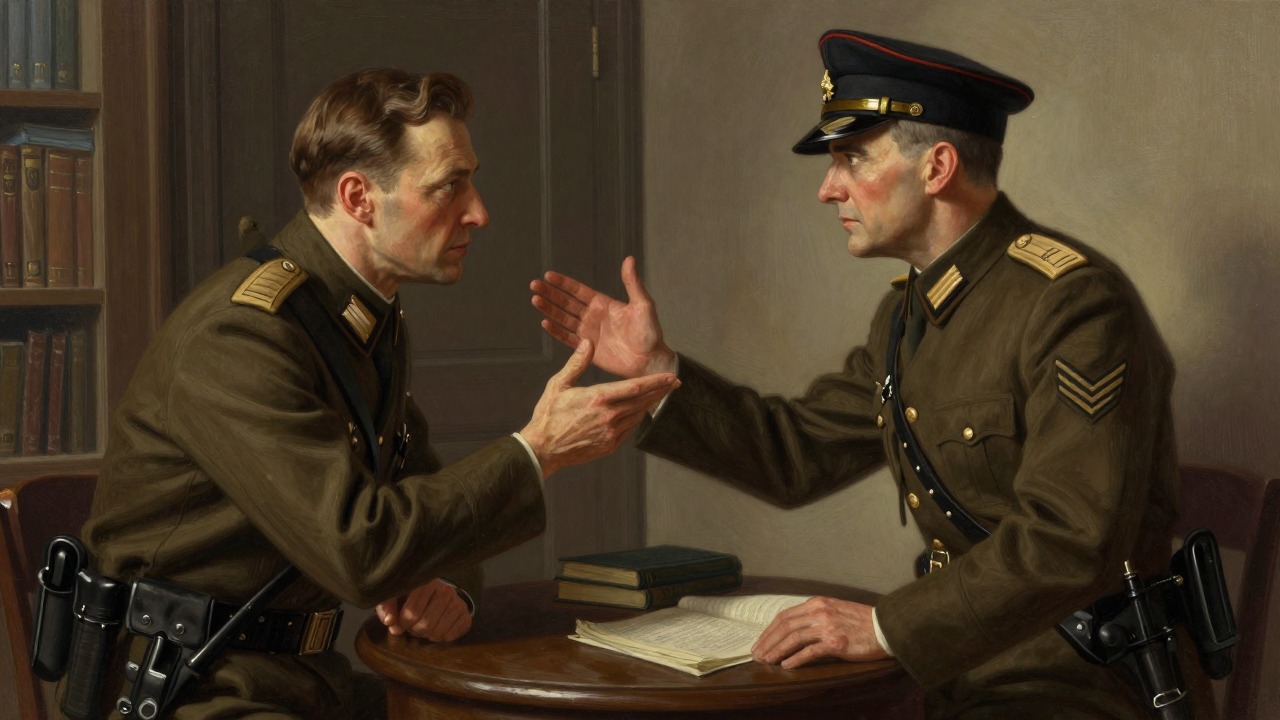
Rivalry in the Consulate
Context
Hugo Reiss resents Bruno Kreuz vom Meere, the local SD chief. The overlap of their authority is deliberate, and it creates endless friction.
Turning Point
Kreuz vom Meere reveals he has located Wegener and wants a commando action. Reiss attempts to stall, but a call from the Reich Chancellery forces him to cooperate.
Significance
The internal Nazi conflict is a war of telephone calls and signatures. It determines whether the SD can operate beyond the law in a foreign country.
Abwehr vs SD
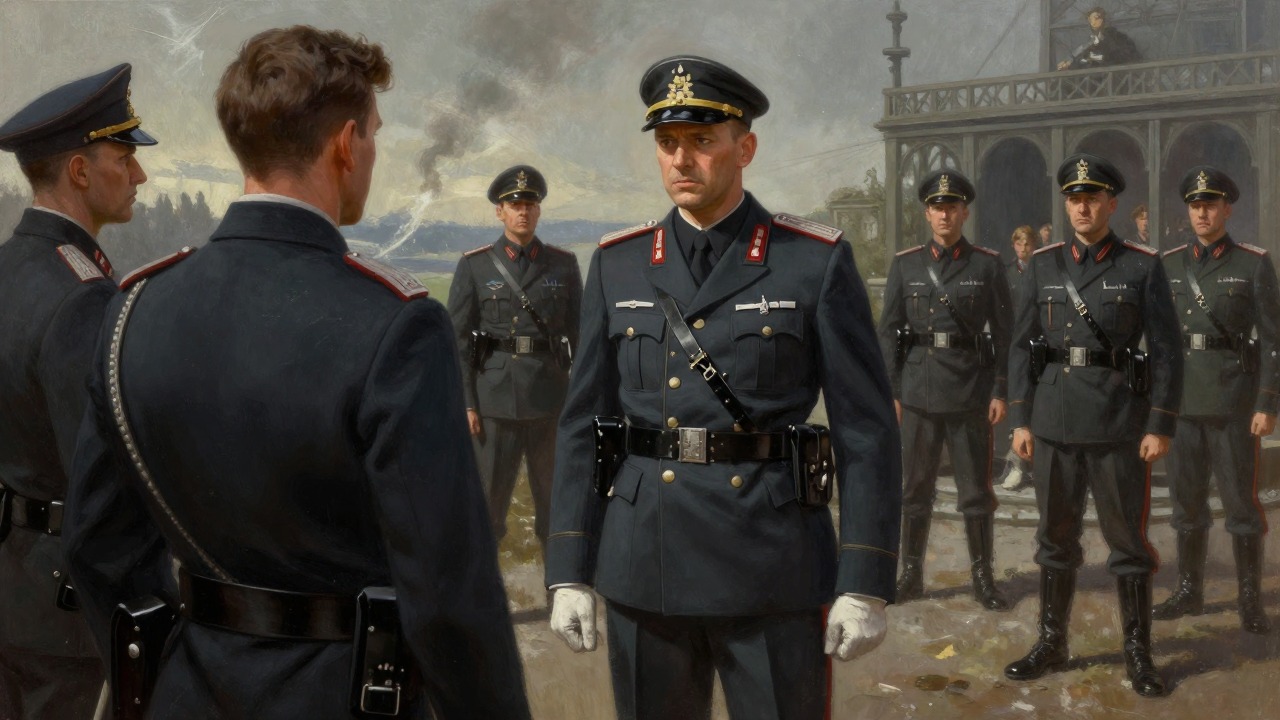
Abwehr vs SD
Context
Rudolf Wegener represents the Abwehr, the old military intelligence service, which loathes the SD and its police methods. His presence in the Pacific is a provocation to the SD.
Turning Point
The SD begins tracking him as soon as he appears. Wegener knows that if the SD catches him, he will die or be sent to a camp, no matter his rank.
Significance
The Abwehr and SD conflict is a hidden civil war inside Germany. It is the reason why Wegener can work against the Reich's own Dandelion plan.
Goebbels in Power
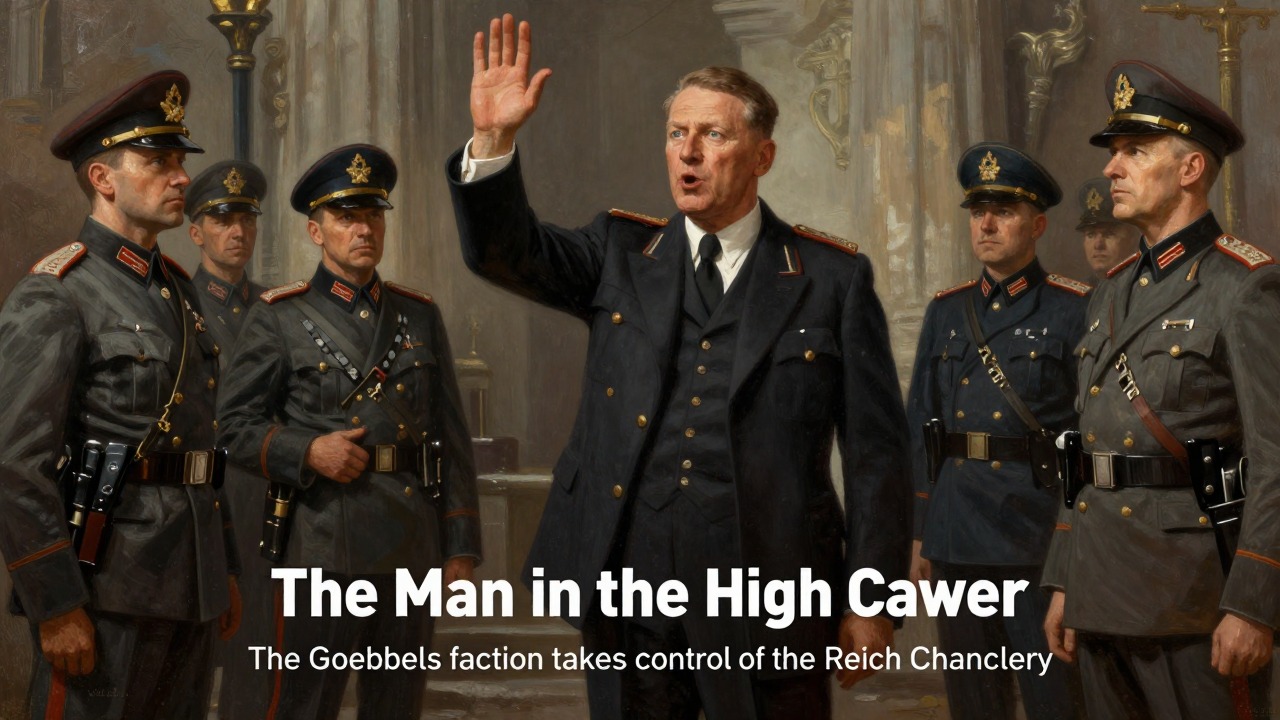
Goebbels in Power
Context
The Goebbels faction takes control of the Reich Chancellery. Goebbels is eloquent, energetic, and committed to a more aggressive policy toward Japan.
Turning Point
Wegener realizes that Goebbels's victory makes Dandelion more likely. The local SD, loyal to the Heydrich faction, must now conceal its resistance.
Significance
The Nazi civil war is not over, but it has a new shape. The partisans of Heydrich and the partisans of Goebbels are each trying to use the same imperial machine against the other.
The Deniable Raid
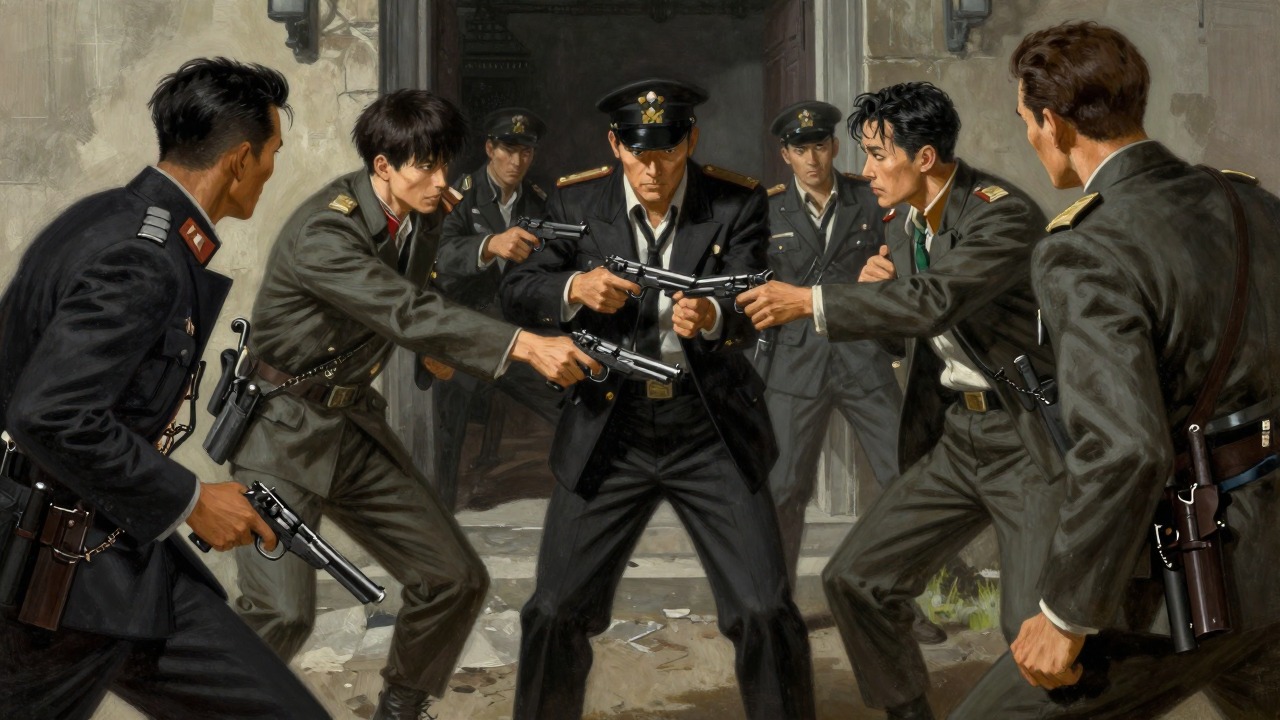
The Deniable Raid
Context
The SD raid is meant to be deniable, with hired local white men and Japanese pistols. If the raid failed, Berlin could blame common bandits.
Turning Point
Tagomi kills the raiders, and their identities show how carefully the SD has hidden its hand. The Japanese government chooses to accept the fiction to avoid war.
Significance
The internal Nazi war has taught its agents the art of plausible denial. The two dead men are not martyrs; they are erased pieces of a chess game.
Heydrich's Custody
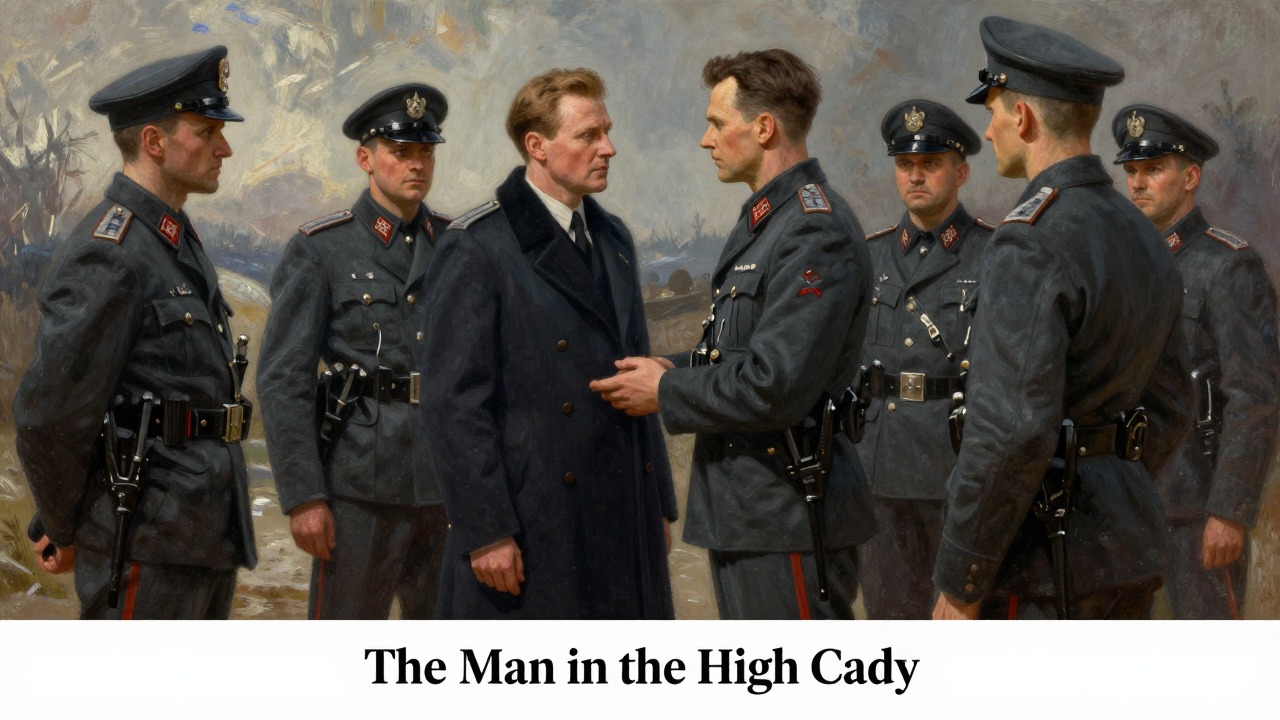
Heydrich's Custody
Context
The Waffen-SS men who meet Wegener at the rocket claim they are taking him to Heydrich. They are not loyal to Goebbels but to the anti-Dandelion police faction.
Turning Point
Wegener is given a chance to join forces with the heart of the terror machine to prevent an even larger catastrophe. The choice is impossible to make with clean hands.
Significance
The Nazi internal war is at its climax. The outcome, whether Goebbels or Heydrich wins, will decide the fate of millions.
when Kreuz vom Meere demands Reiss's cooperation
during Wegener's time in San Francisco
after the Nippon Times headline
as the SD assault on the Nippon Times Building unfolds
when Wegener is met at Tempelhof
